Drywall vs Plaster: Which is Better in a GTA Renovation?
Toronto and the GTA have plenty of older homes with original lath-and-plaster walls. When should you keep them and when should you switch?
The two systems
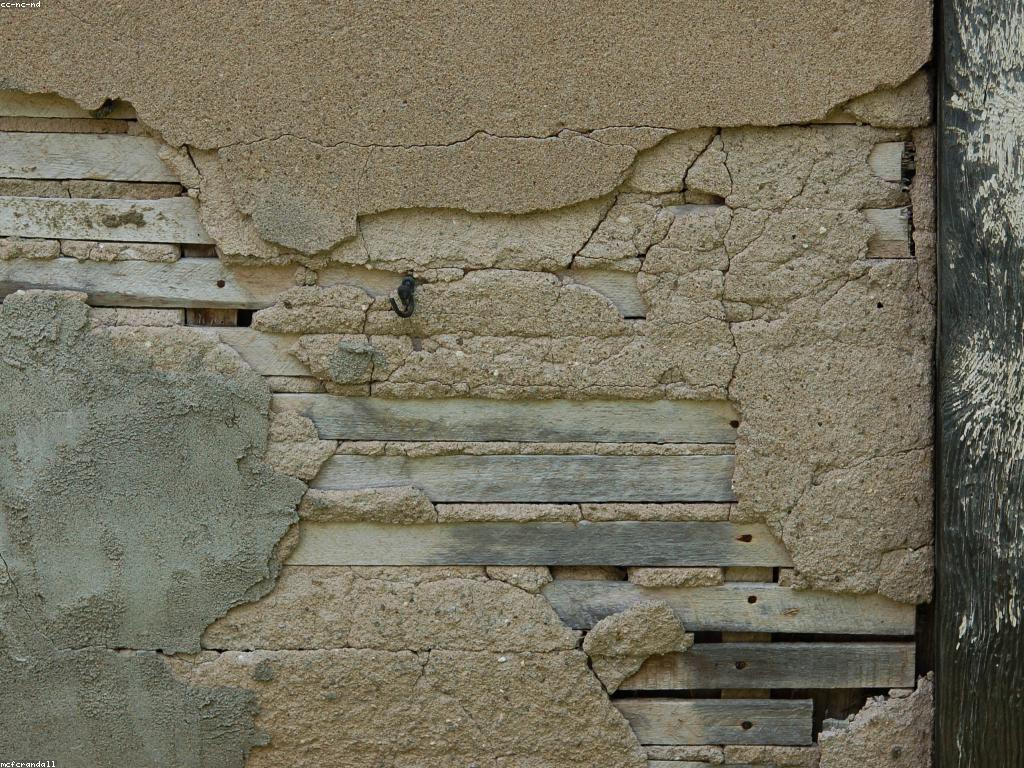
Plaster is the older system — wood lath nailed to studs, then three coats of plaster troweled over the lath. Most Toronto homes built before 1950 have plaster walls — and so do many older homes in Hamilton and Burlington. Some early-1950s builds also used a transitional rock-lath plaster system with a gypsum lath board base instead of wood.
Drywall — also called gypsum board or wallboard — is paper-faced gypsum panels nailed or screwed directly to studs, with the seams taped and mudded. It became the residential standard from the late 1950s onward and is now what every new home in the GTA uses.
What plaster gets right
- Mass. A plaster wall is heavier and dampens sound far better than 1/2 inch drywall — sometimes by 10+ STC points.
- Hardness. Plaster does not dent. You can lean a couch into it. Doorknobs do not punch through it.
- Fire resistance. Plaster on wood lath has surprisingly good fire performance.
- Heritage character. Curves, arches, and decorative mouldings are easier in plaster.
What plaster gets wrong
- It cracks. Wood lath flexes seasonally. Cracks open up at corners, ceilings, and around doors and windows.
- It is brittle. Once it cracks, vibration and movement keep it cracking.
- Repairs are slow and expensive. Skilled plasterers in the GTA charge a premium and there are not many of them.
- It hides bad framing. Or rather, it does not hide it — it telegraphs every framing flaw.
- Insulation upgrades are hard. Blown-in cellulose works but cuts have to be patched and the patches always show.
- Electrical upgrades are hard. Running new circuits through plaster walls means cutting, patching, and re-painting.
When to keep your plaster walls
- The walls are sound (no major cracks, no soft spots, no buckling).
- You are not doing major electrical, plumbing, or insulation upgrades.
- You value the heritage character.
- You want the sound dampening for free.
In this case, we will repair localized damage with a drywall patch where necessary, then skim the patch and adjacent area to match — that is exactly the kind of work our drywall repair and ceiling repair teams do every week. Most of our older Toronto, Hamilton, and Oakville homes get this treatment. We can also refinish entire plaster walls to a smooth finish if they have heavy texture you want to remove.
When to convert to drywall
- You are doing a full renovation and want updated electrical, insulation, and plumbing.
- The plaster has multiple large cracks, soft spots, or has separated from the lath.
- You want a level, square, modern finish.
- You are removing chimneys, opening up walls, or relocating doors and windows.
Converting plaster to drywall has two routes:
- Plaster removal then drywall. Strip plaster and lath down to studs, upgrade insulation and electrical, then hang and tape new 1/2 inch drywall. Most thorough, biggest mess, best long-term result. Our drywall installation and residential drywall crews do this regularly in Scarborough and Etobicoke mid-century homes.
- Drywall over plaster. Apply 3/8 inch or 1/2 inch drywall directly over existing sound plaster. Faster, cleaner, but reduces room dimensions slightly and works only when plaster is structurally solid.
The hybrid approach
Most of our GTA renovation work in older homes is hybrid — some walls kept and patched, some converted. We assess wall by wall on the first site visit and recommend a mix based on condition, planned upgrades, and budget. This is almost always the most cost-effective path.
The asbestos question
Some pre-1980 plaster contains asbestos in the texture, particularly popcorn and stomp finishes. We strongly recommend a $75 lab test on any pre-1980 textured ceiling before scraping or major renovation. If positive, we coordinate with an asbestos abatement contractor who handles removal, then we drywall.
Cost comparison
- Patch existing plaster: $150–650 per repair (similar to a drywall patch).
- Full plaster refinish: $4–6 per sq ft (premium tradesmen, slower work).
- Drywall over plaster: $2.50–3.50 per sq ft (less than fresh hang because no demolition).
- Strip plaster + new drywall: $4–6 per sq ft including tear-out.
For more on pricing, see the installation cost guide and our cost breakdown post.
If you have an older Toronto, Burlington, or Hamilton home and you cannot decide which way to go, give us a call — we will walk through with you and tell you the honest tradeoffs. Or request a free written quote and we will come measure.
GTA Drywall and Taping handles drywall, taping, mudding, ceiling repair and renovations across all 19 GTA cities. Free written quotes.
Get a Free QuoteService areas
We cover this work across the entire GTA. A few of the cities our crews are in regularly:
See all 19 GTA cities we serve.
Related services
More from the blog
- Drywall Thickness Guide: 1/2 vs 5/8 vs Specialty Boards 2026-04-12 · 7 min
- Drywall Taping Levels Explained: Level 4 vs Level 5 2026-04-02 · 6 min
- How to Hire a Drywall Contractor (and Avoid the Common Traps) 2026-03-05 · 9 min
- Drywall Cost Breakdown: Where Every Dollar Actually Goes 2026-02-18 · 8 min